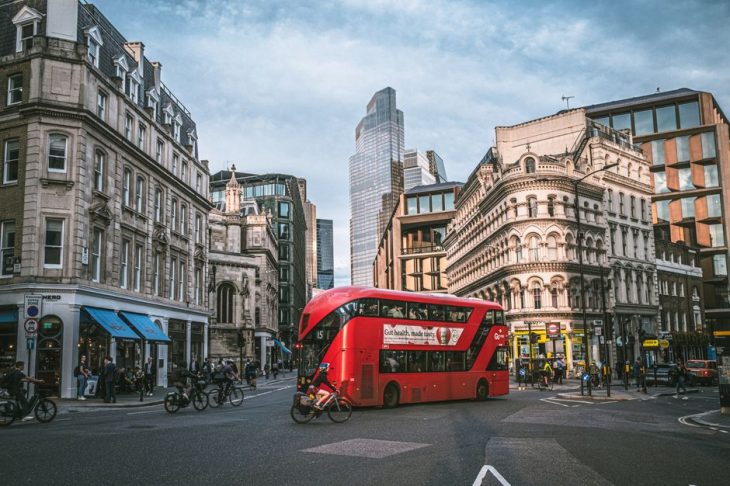
The Best Places to Visit in London (2026): Your Expert Picks
Did you know that despite London being one of the most visited cities globally, a staggering 60% of first-time visitors report feeling overwhelmed by the sheer volume of attractions? That’s more than half of travelers staring at a map, unsure how to distill centuries of history, culture, and urban sprawl into a coherent, enjoyable trip. They often end up seeing only the most obvious landmarks, missing out on the city’s true character.
The problem isn’t a lack of incredible places; it’s the paradox of choice. With thousands of potential stops, from ancient palaces to vibrant street art, deciding where to spend your precious time and money can feel like a full-time job before your vacation even begins. You want to make the most of your 2026 London adventure, but the endless “top 10” lists often create more anxiety than clarity. It’s a common pitfall: planning a trip to a city as rich as London can be just as exhausting as the travel itself.
London’s Hidden Cost: The Overwhelm of Choice
London truly has it all: iconic landmarks, world-class museums, sprawling parks, quirky neighborhoods, and diverse culinary scenes. This abundance, while a blessing, can quickly become a curse for the unprepared traveler. Many arrive with a mental checklist of “must-sees” gleaned from quick online searches, only to find that fitting the Tower of London, the British Museum, a West End show, and a trip to Notting Hill into a single day is not just ambitious, but practically impossible without feeling rushed and exhausted.
The real cost here isn’t just financial; it’s the emotional toll of decision fatigue and the feeling that you’re constantly missing out on something better. Travelers often pack their itineraries so tightly that they forget to simply *experience* the city, to wander, to stumble upon unexpected delights, or to truly soak in the atmosphere of a single place. The fear of missing out (FOMO) drives many to overschedule, leading to burnout and a less fulfilling journey. You’re constantly looking for the next thing, rather than appreciating the current one.
The Sheer Scale of London’s Offerings
Consider the sheer geographical spread. London is a massive city, and while its public transport system (the Tube) is efficient, moving between major attractions can still consume significant chunks of time. A journey from the British Museum in Bloomsbury to the Tower of London in the East End, for instance, might take 30-40 minutes door-to-door, even without delays. Multiply that by several major stops a day, and you spend more time underground or on buses than actually exploring. Each of London’s major cultural institutions, like the Victoria and Albert Museum or the Tate Modern, can easily consume half a day or more if you truly engage with their collections.
Then there’s the diversity. You could spend a day immersed in ancient history at the British Museum, another exploring royal heritage at Buckingham Palace, and a third discovering cutting-edge street art in Shoreditch. Each experience is distinct, demanding a different mindset and pace. Without a clear strategy, it’s easy to jump between these disparate worlds too quickly, never fully engaging with any of them. The sheer volume means tough choices are inevitable, and accepting those trade-offs upfront is key to a successful visit.
Why "Must-See" Lists Fall Short
Generic “top 10” lists, while a starting point, rarely account for individual interests, travel pace, or budget. They often prioritize the most obvious, heavily marketed attractions, which, while impressive, might not align with your specific vision for a London trip. Are you a history buff who could spend hours deciphering ancient artifacts, or an art enthusiast seeking modern masterpieces? Do you crave bustling markets and street food, or quiet gardens and literary landmarks? A blanket recommendation fails to distinguish these nuances.
Furthermore, these lists rarely factor in practical considerations like peak tourist seasons, ticket prices, or how long a typical visit actually takes. They might suggest visiting the London Eye and Westminster Abbey on the same day without warning you about potential queues or the energy drain. Effective planning requires a deeper understanding of what *you* want from your trip, rather than blindly following a pre-packaged itinerary designed for the mythical ‘average’ tourist.
Finding Your London Vibe: From History Buff to Modern Explorer

The best way to combat decision fatigue is to first identify your primary interest. London offers distinct experiences, and by categorizing what truly excites you, you can filter the noise and focus your itinerary. Think of it as choosing a theme for your adventure rather than just a list of places. This approach ensures a more cohesive and satisfying trip.
-
History & Royalty Seeker
If your idea of a perfect day involves ancient stories, grand architecture, and tales of kings and queens, London is your kingdom. Focus on sites steeped in centuries of drama. Think Westminster Abbey, the Tower of London, Hampton Court Palace, and the Banqueting House. You’ll want to prioritize tours and historical narratives, perhaps even catching the Changing of the Guard at Buckingham Palace. Your pace will likely be steady, with time for contemplation in historic settings.
-
Art & Culture Enthusiast
For those who find joy in galleries, performance, and creative expression, London’s cultural scene is unparalleled. This means prioritizing the National Gallery, Tate Modern, Victoria and Albert Museum, and smaller, niche galleries like the Saatchi Gallery. Don’t forget the West End for theatre, or independent cinemas. You’ll likely enjoy longer visits to fewer sites, allowing for deeper engagement with the art.
-
Food & Market Explorer
If your travel philosophy revolves around tasting local flavors and experiencing vibrant street life, London’s markets and culinary neighborhoods are calling. Borough Market, Maltby Street Market, and the various food stalls in areas like Soho or Shoreditch will be your focus. You might spend an entire afternoon sampling cheeses, street food, and craft beers. This style often involves more walking and less structured touring.
-
Quirky & Local Discoverer
For the traveler who wants to stray from the beaten path and find London’s unique character, look to its eccentric museums, hidden gardens, and independent shops. Areas like Notting Hill, Hampstead, or Clerkenwell offer a more local feel. Consider places like Sir John Soane’s Museum, the Dennis Severs’ House, or exploring street art in East London. Your itinerary will be flexible, driven by curiosity and serendipity.
-
Family Fun Adventurer
Traveling with children means prioritizing engaging, interactive experiences. The Science Museum, Natural History Museum (especially the dinosaur exhibits), the London Transport Museum, and the ZSL London Zoo are excellent choices. Consider boat trips on the Thames or a visit to Greenwich for its sprawling park and maritime history. Breaks and playgrounds will be essential, so plan for a slower pace.
Must-See Icons vs. Deeper Dives: The Westminster vs. Tower Trade-Off
When planning your London trip, you’ll inevitably face choices between landmark attractions. Many travelers feel compelled to visit everything, but a more strategic approach involves understanding the distinct experiences each offers. Let’s look at two of London’s most iconic historical sites: Westminster Abbey and the Tower of London. Both are UNESCO World Heritage Sites, but they cater to slightly different historical interests and offer vastly different atmospheres.
| Attraction | Primary Focus | Typical Visit Time | Estimated Adult Cost (2026) | Best For |
|---|---|---|---|---|
| Westminster Abbey | Royal coronations, burials, architectural grandeur, religious history. | 1.5 – 2.5 hours | ~£29 – £32 | Those interested in monarchy, British history, stunning Gothic architecture, quiet reflection. |
| Tower of London | Medieval fortress, Crown Jewels, executions, dark history, Beefeaters, ravens. | 2.5 – 3.5 hours | ~£35 – £40 | Those seeking dramatic history, military architecture, engaging storytelling, family-friendly historical exploration. |
Choosing between these two (or dedicating a full day to both) depends heavily on your interests and available time. Both are exceptional, but they offer distinct narratives and experiences.
Westminster Abbey’s Royal History
Westminster Abbey is less a museum and more a living monument to British history. It’s the traditional coronation and burial place for English and later British monarchs, a site of profound national significance. Inside, you’ll find the tombs of kings, queens, poets, and scientists, including Elizabeth I, Mary Queen of Scots, Charles Darwin, and Stephen Hawking. The sheer scale and intricate Gothic architecture are breathtaking, with stunning stained-glass windows and elaborate chapels. An audio guide is highly recommended to appreciate the layers of history within its walls. Photography is generally not allowed inside, encouraging a more contemplative visit. It’s a place of reverence, beauty, and solemn history.
The Tower of London’s Darker Past
The Tower of London, by contrast, feels more like an immersive historical theme park, albeit one with a very serious and often grim past. This historic fortress has served as a royal palace, a prison, a place of execution, and a treasury. Its iconic Yeoman Warders (Beefeaters) offer engaging and often humorous tours, bringing its dark history to life with tales of famous prisoners like Anne Boleyn and Guy Fawkes. You’ll see the formidable White Tower, explore the bloody tower, and, of course, marvel at the opulent Crown Jewels. The ravens, believed to protect the Tower, are another popular attraction. It’s a site that blends fascinating history with dramatic storytelling, making it particularly appealing for families or those who prefer a more interactive historical experience.
Beyond the Galleries: London’s Unexpected Cultural Hubs

While London boasts world-renowned institutions like the British Museum, the National Gallery, and the Tate Modern, its cultural landscape extends far beyond these traditional titans. To truly grasp the city’s artistic pulse, you need to look beyond the obvious and explore its more eclectic, often understated, cultural hubs. These places offer diverse experiences, from brutalist architecture housing avant-garde performances to street art that changes daily.
Venture beyond the grand halls and you’ll find a city where culture permeates every corner, offering both established excellence and rebellious innovation. This includes not just physical venues but entire neighborhoods that pulsate with creative energy, revealing London’s dynamic, ever-evolving identity.
The Barbican Centre’s Brutalist Beauty
Often overlooked by first-time visitors, the Barbican Centre is an architectural marvel and a significant cultural institution in its own right. Built in the 1960s and 70s, it’s a prime example of Brutalist architecture, featuring concrete towers, elevated walkways, and an intricate layout. But beyond its striking exterior, the Barbican hosts world-class theatre, classical music concerts, film screenings, art exhibitions, and a beautiful conservatory. It’s home to the London Symphony Orchestra and the Royal Shakespeare Company when they are in London. Exploring its layered walkways, lakeside terraces, and even the Barbican Library offers a fascinating glimpse into a different facet of London’s cultural ambition. Entry to the public spaces is free, though performances and specific exhibitions are ticketed. A guided architectural tour, typically around £15, provides excellent context.
Shoreditch: Street Art and Independent Galleries
For a completely different cultural experience, head east to Shoreditch. This formerly industrial area has transformed into a vibrant hub of creativity, particularly known for its dynamic street art scene. Wander down Brick Lane, Redchurch Street, and the surrounding alleys, and you’ll encounter an ever-changing outdoor gallery featuring works by local and international artists. These aren’t just graffiti; they’re often intricate, thought-provoking murals and installations that reflect contemporary urban culture. Beyond the street art, Shoreditch is dotted with independent galleries like the Whitechapel Gallery nearby, quirky boutiques, and pop-up events. It’s a place to soak in modern London’s edgy, entrepreneurial spirit, often best explored by simply walking and observing. Many free street art walking tours, some operating on a tip basis, can provide excellent insight.
Greenwich: Maritime History and Royal Observatory
Greenwich, easily accessible by a scenic Thames River boat trip, offers a rich blend of history, science, and beautiful parkland. It’s home to the Royal Observatory, where you can stand on the Prime Meridian (0° longitude) and explore significant advancements in astronomy and timekeeping. The National Maritime Museum details Britain’s naval past, while the Cutty Sark, a preserved 19th-century tea clipper, offers a fascinating look at seafaring life. Greenwich Park provides stunning views back towards the city skyline. This area offers a more relaxed, family-friendly cultural outing, combining educational exhibits with open green spaces. Many of the main attractions here, like the National Maritime Museum, are free to enter, though the Royal Observatory has a fee of around £18 for adults to cross the Prime Meridian line.
Escaping the Crowds: London’s Quiet Corners and Quirks
To truly experience London, you need to step away from the main tourist drag. While the iconic landmarks are undeniably impressive, some of the city’s most charming and memorable spots are found in its quieter corners, often just a short detour from the bustling centers. These are the places that offer a glimpse into local life, provide a moment of tranquility, or reveal London’s wonderfully eccentric side, allowing for a more authentic and less overwhelming visit.
Many travelers find that their most cherished London memories aren’t from queueing at a major attraction, but from discovering a hidden garden, stumbling upon a unique museum, or simply enjoying a peaceful stroll away from the throngs. Prioritizing these less-visited gems can transform your trip from a checklist of sights into a genuine exploration.
Richmond Park’s Natural Escape
Just a short Tube ride to the southwest, Richmond Park offers an incredible escape into nature. This vast Royal Park, covering 2,500 acres, is famous for its herds of wild deer that roam freely. It feels miles away from the urban hustle, with expansive grasslands, ancient trees, and stunning panoramic views of London from King Henry’s Mound. It’s a perfect spot for a long walk, a leisurely picnic, or even just sitting and observing the wildlife. There are no entry fees, and it provides a stark contrast to the city’s concrete jungle. For those craving fresh air and a chance to recharge, Richmond Park is an unparalleled choice.
Sir John Soane’s Museum: A Collector’s Eccentricity
Hidden in Holborn, Sir John Soane’s Museum is one of London’s most unique and fascinating attractions. This was the home of a neo-classical architect who designed the Bank of England, and it’s preserved exactly as he left it upon his death in 1837. Every inch of space is filled with his vast collection of art, architectural fragments, and antiquities, including sarcophagi, Roman busts, and paintings by Hogarth and Turner. The museum is a labyrinth of rooms, filled with unexpected vistas and clever uses of light and mirrors. It’s a truly idiosyncratic and intimate experience, a stark contrast to the grand scale of the British Museum. Entry is completely free, but be prepared for a small queue, as only a limited number of visitors are allowed in at once to preserve its delicate atmosphere. This is a must-see for anyone interested in unique history, art, and eccentric personalities.
Budgeting Your London Adventure: Entry Fees and Transport Hacks
London can be an expensive city, but smart planning can significantly cut down costs without sacrificing experience. Understanding typical entry fees and London’s excellent public transport system are key to managing your budget effectively for your 2026 trip.
How much does it cost to enter London’s top attractions?
Entry fees for major attractions vary widely. Many of London’s world-class museums and galleries, such as the British Museum, National Gallery, Tate Modern, Victoria and Albert Museum, and Natural History Museum, offer free general admission. This is a huge benefit and allows for substantial savings. However, special exhibitions within these museums often require a separate ticket, typically ranging from £15 to £25.
For paid attractions, expect to budget around £25-£40 per adult ticket. For example, the Tower of London (around £35-£40), Westminster Abbey (around £29-£32), St Paul’s Cathedral (around £20-£25), and the London Eye (around £30-£40 if booked in advance) all fall within this range. Booking online in advance almost always saves money compared to buying at the door, often by 10-20%.
Is the London Pass worth it for 2026?
The London Pass, a sightseeing pass that offers entry to many attractions for a set price, can be a good value, but it’s not for everyone. It comes in 1, 2, 3, 4, 5, 6, 7, or 10-day options, with prices escalating accordingly (e.g., a 3-day pass might cost around £100-£120 per adult in 2026). It’s most beneficial for travelers who plan to visit a high number of paid attractions in a short period. To break even, you typically need to visit at least two major paid attractions per day. For instance, if you plan to visit the Tower of London, Westminster Abbey, and take a Thames River cruise over a two-day period, the pass might save you money. However, if your itinerary includes many free museums, leisurely park visits, or time for shopping, the pass might not offer significant savings. Always do the math based on your specific itinerary before purchasing.
What’s the cheapest way to get around London?
London’s public transport is excellent, and the cheapest way to navigate it is by using a contactless payment card (like a debit/credit card or phone payment) or an Oyster card. These methods are significantly cheaper than buying single paper tickets, which can be almost double the price. London operates on a “daily cap” system, meaning you’ll never pay more than a certain amount for travel in a single day, regardless of how many journeys you make, provided you use the same card. For example, in Zone 1-2, the daily cap for 2026 might be around £8-£9. The Tube is fast for longer distances, while buses are excellent for shorter hops and offer scenic views above ground. Walking is often the best option for exploring compact areas like Westminster or Covent Garden, and it’s free!
The Single Best Way to Experience London (for Most)
For the majority of first-time visitors to London in 2026, the single best approach is to focus on depth over breadth. Instead of attempting to cram every iconic landmark into a whirlwind tour, choose one or two major areas (like Westminster and South Bank, or the East End and the City) and explore them thoroughly over two to three days. Supplement this with one specific interest area, whether it’s an afternoon dedicated to the British Museum or a day exploring Greenwich. This strategy minimizes travel time, reduces decision fatigue, and allows for genuine engagement with the vibrant, complex city that London truly is.