Travel Accessories Geelong: What to Pack for a Weekend Away
You booked a weekend in Geelong. Maybe it’s the waterfront, the Bellarine wineries, or that Great Ocean Road day trip you keep putting off. Now you’re staring at an open suitcase wondering what to bring. Most packing lists for Geelong assume you’re either camping in the Otways or staying at a five-star hotel. Neither is helpful.
Geelong is a city that shifts moods fast. Morning fog on Corio Bay, afternoon sun at the Eastern Beach swimming enclosure, an evening breeze that cuts through a light jacket. You need gear that handles those swings without filling your bag with stuff you never touch.
This isn’t a generic “10 essentials” list. It’s a practical breakdown of what actually works for a 48-hour trip to Geelong — based on spending time there, making mistakes, and watching other travelers carry things they didn’t need.
Why Most Packing Advice for Geelong Falls Short
The biggest mistake people make is treating Geelong like a beach resort or a hiking basecamp. It’s neither. It’s a working city with a growing food scene, a waterfront that doubles as a running track, and a climate that refuses to commit.
I’ve seen travelers show up with heavy hiking boots for a stroll along the Geelong Waterfront. I’ve also seen people in flip-flops freeze at a rooftop bar in February when the wind picks up. Both groups end up buying things they didn’t plan for.
The problem isn’t what they pack. It’s how they think about the trip. Geelong works best when you treat it as a layered, multi-activity destination. You might walk the Botanic Gardens in the morning, grab lunch at Little Creatures, then drive out to a winery in the afternoon. Your gear needs to flex between those settings without a full suitcase change.
Failure mode #1: Over-specializing. One pair of shoes that does everything is better than three pairs that each do one thing well. Failure mode #2: Underestimating the wind. Geelong’s coastal gusts make a light jacket useless. You need something with a hood that stays on.
The Core Bag: What Size and Style Actually Works
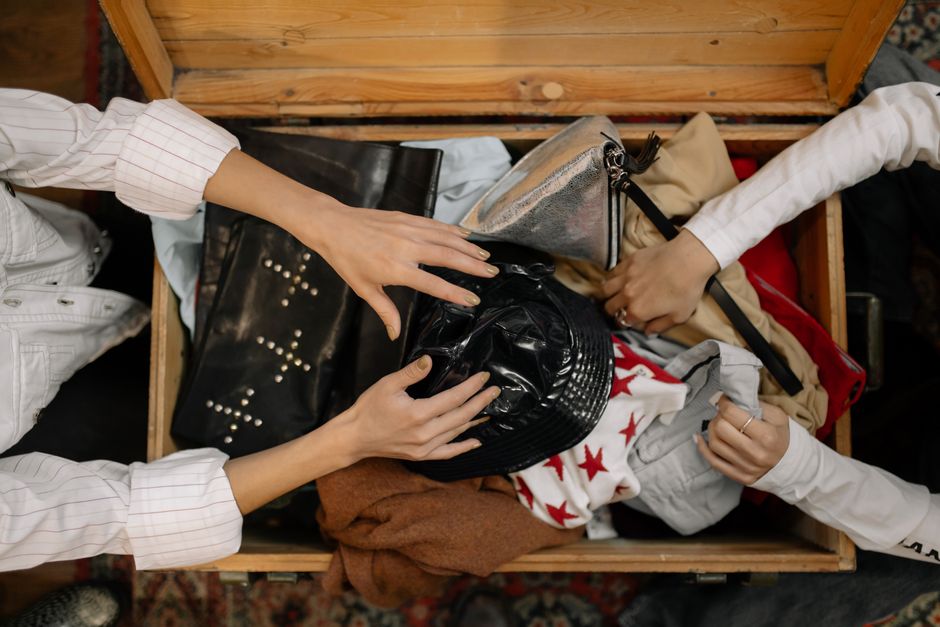
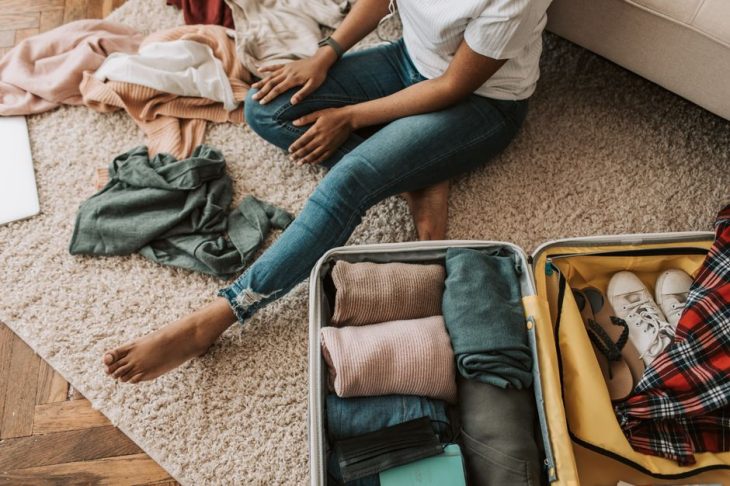
For a weekend in Geelong, a 30-40 liter bag is the sweet spot. Any smaller and you’re forcing a laundry situation. Any larger and you’re carrying dead space through the airport or train station.
The Patagonia Black Hole Duffel 40L ($129) is the most practical option I’ve found for this trip. It’s waterproof enough for coastal drizzle, compresses flat when empty, and fits in overhead bins on regional flights. The duffel shape works better than a backpack for car trips — you can toss it in the boot without everything shifting into a ball.
If you prefer a backpack, the Osprey Daylite 35L ($85) is lighter and has better internal organization. It lacks the duffel’s weatherproofing, so pack a dry bag for electronics if rain is forecast.
What doesn’t work: a roller suitcase for the Geelong train station or a daypack that’s too small for a change of clothes. The roller handles poorly on the cobblestones near the waterfront. The tiny daypack forces you to carry a second bag for shopping or wine purchases.
Packing cube strategy
Using three packing cubes — one for tops, one for bottoms, one for underwear and socks — cuts packing time in half. The Eagle Creek Pack-It Specter Cube Set ($34.95) weighs almost nothing and keeps your bag organized even when you’re digging for a jacket at the bottom.
Clothing That Handles Geelong’s Four-Season Day
Geelong’s weather is famously unpredictable. A single day in October can start at 10°C with rain, hit 22°C by lunch, and drop back to 12°C with wind by dinner. You can’t pack for every variation, but you can pack a system that adapts.
Here’s the combination that works:
- Base layer: A merino wool t-shirt (Icebreaker Tech Lite, $70). It breathes when it’s warm, insulates when it’s cool, and doesn’t stink after a day of walking.
- Mid layer: A lightweight fleece (Patagonia Better Sweater, $139). It’s warm enough for evening walks along the waterfront but thin enough to layer under a shell.
- Outer shell: A windproof, water-resistant jacket with a hood (Outdoor Research Foray, $185). This is the most important piece. Without it, you’re either cold or carrying a bulky raincoat.
For bottoms, a single pair of dark jeans (Levi’s 511, $69.50) works for both daytime exploring and dinner at a restaurant. Avoid shorts unless it’s January and the forecast is clear. Even then, bring a pair of long pants for the evening.
The shoe decision
One pair of shoes. That’s all you need. The Merrell Moab 3 Mid ($140) works for walking the Botanic Gardens, a light trail at the You Yangs, and dinner at a pub. They’re not dress shoes, but Geelong’s dining scene is casual enough that clean hiking shoes pass without question. If you’re only doing city walking, the Hoka Clifton 9 ($145) is lighter and more comfortable on pavement.
Electronics and Charging: What You Actually Need for 48 Hours
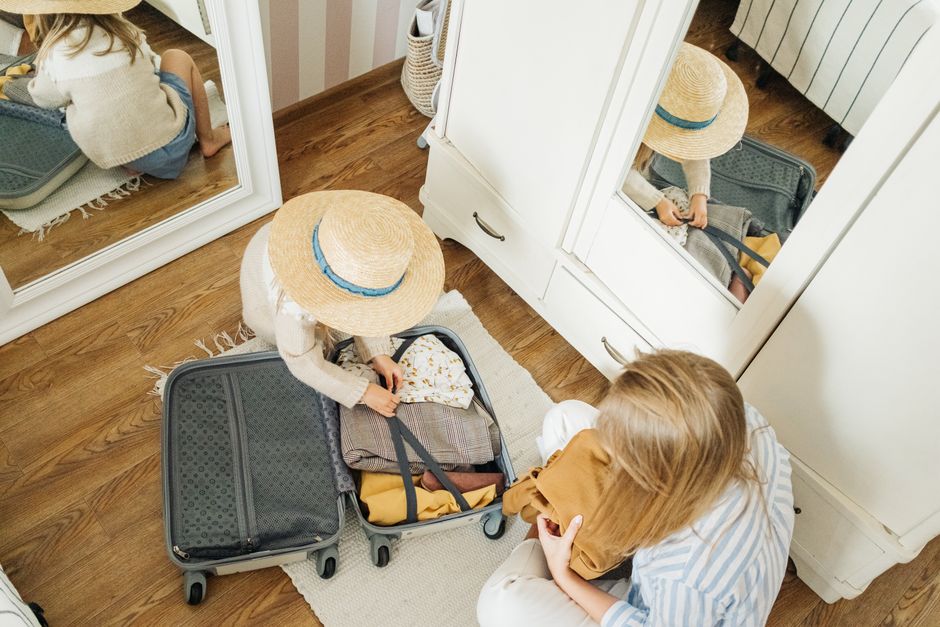
Most people overpack electronics for a weekend. You do not need a laptop, a tablet, a Kindle, and a camera. Pick two devices maximum.
The one accessory that saves every trip: a power bank. The Anker PowerCore 10000 ($25.99) is small enough to slip into a jacket pocket and charges a phone twice. For a weekend, that’s enough. The larger Anker PowerCore 20100 ($45.99) is overkill unless you’re sharing with a partner or running GPS navigation all day.
Bring a two-port USB-C wall charger (Anker 511, $18.99) so you can charge your phone and power bank simultaneously. Most hotels in Geelong still have limited power outlets near the bed. A 1.8-meter charging cable (Anker PowerLine III, $12.99) gives you enough reach to use your phone while it charges.
What to skip: a portable speaker (Geelong is not a beach party destination), a camera if your phone is from the last three years, and any device that requires a separate charging brick.
Why a travel adapter is probably unnecessary
Geelong uses Australian power outlets (Type I, 230V). If you’re coming from overseas, check your device’s voltage rating. Most modern phone chargers and laptops are dual-voltage (100-240V) and only need a physical plug adapter. The Ceptics Australia Travel Adapter ($9.99) is compact and works for all standard plugs.
Gear That Saves You Money on the Bellarine Peninsula
Geelong’s biggest expense for visitors is often not accommodation — it’s the things you buy because you didn’t bring them. A reusable water bottle, a coffee cup, and a small cooler bag can save $20-30 per day.
The Hydro Flask Standard Mouth 21oz ($34.95) keeps water cold for 24 hours in Geelong’s summer heat. Refill it at the free water stations along the waterfront and at the Geelong Library. That’s $4-6 saved per bottle of store-bought water.
A collapsible coffee cup (stojo Collapsible Cup 12oz ($14.99)) fits in a daypack and works at any cafe. Most places in Geelong offer a 50-cent discount for bringing your own cup. Over a weekend with two coffees per day, that’s $2 saved — and one less disposable cup in the bin.
The hidden win: a small insulated cooler bag (PackIt Freezable Lunch Bag, $24.99). Fill it with snacks from the Geelong Market or a bottle of wine from a Bellarine winery. It folds flat when empty and keeps food cold for hours. On a weekend trip, this alone can save you $30 on overpriced snacks at tourist spots.
When Not to Buy the “Travel” Version of Something
Travel-specific gear is often worse than what you already own. The “travel” version of a jacket is thinner and less durable. The “travel” version of a towel is smaller and less absorbent. The “travel” version of a toiletry bag takes up more space than a regular zip pouch.
Here’s where the travel industry tricks you:
- Travel towels: Microfiber towels are fine for camping. For a hotel or Airbnb in Geelong, use the provided towels. They’re bigger, softer, and dry faster in a bathroom.
- Travel pillows: The inflatable ones leak. The memory foam ones take up a quarter of your bag. Skip both. Use a rolled-up fleece or jacket as a pillow on the train.
- Travel wallets: RFID-blocking wallets are marketing. The risk of RFID theft in Geelong is negligible. A simple cardholder or a Bellroy Card Sleeve ($59) holds three cards and some cash without the bulk.
- Travel-size toiletries: They cost three times as much per ounce. Buy a set of refillable silicone bottles (Humangear GoToob, $9.95 for three) and fill them with your regular products.
The one travel accessory worth buying: a dry bag (Sea to Summit Ultra-Sil 8L, $24.95). It weighs 40 grams and keeps your phone, wallet, and passport safe if you’re caught in a sudden downpour. It also doubles as a laundry bag. That’s two uses for one lightweight item.
The Packing List That Worked for My Last Geelong Weekend
I spent a weekend in Geelong in February — typically the warmest month — and brought the following. It all fit in a 35L bag with room to spare.
| Item | Brand / Model | Why It Worked |
|---|---|---|
| Bag | Patagonia Black Hole Duffel 40L | Weatherproof, easy to carry, fits in car boot |
| Shoes | Merrell Moab 3 Mid | Handled waterfront, light trail, and pub dinner |
| Jacket | Outdoor Research Foray | Windproof hood, packed small, dried fast after rain |
| Base layer | Icebreaker Tech Lite t-shirt | No smell after two days of wear |
| Power bank | Anker PowerCore 10000 | Charged phone twice, fit in jacket pocket |
| Water bottle | Hydro Flask 21oz | Kept water cold through a 30°C afternoon |
| Dry bag | Sea to Summit Ultra-Sil 8L | Protected electronics during a sudden downpour at Eastern Beach |
I didn’t use: a camera (phone photos were fine), a laptop (phone was enough for maps and booking dinner), a second pair of shoes (one pair worked for everything), or any “travel-size” toiletries (refillable bottles with my regular products lasted the whole trip).
The only thing I wish I’d brought: a small folding umbrella. The jacket handled light rain, but a proper umbrella would have been nicer during the 20-minute downpour at the Geelong Botanic Gardens.
The One Thing Most People Forget (and Regret)
It’s not a power bank. It’s not a jacket. It’s a reusable shopping bag.
Geelong has several farmers’ markets, bottle shops, and boutique stores where you’ll end up buying something you didn’t plan for. A Baggu Standard Reusable Bag ($10) folds into a pouch the size of a wallet and holds up to 25 pounds. Without it, you’re either carrying purchases in your hands or buying a plastic bag for 15 cents. Neither is ideal.
Second place: a small notebook and pen (Field Notes, $12.95 for three-pack). You’ll want to jot down the name of that winery you liked, the cafe with the good pastry, or the walking trail you want to try next time. Phone notes work, but a physical notebook doesn’t run out of battery and doesn’t distract you with notifications.
That weekend in February? I used the notebook three times. Once for a wine recommendation, once for a seafood spot in Queenscliff, and once for the name of a coastal walk near Torquay. The phone stayed in my pocket. The notebook stayed in my jacket.
Back at the train station, waiting for the V/Line back to Melbourne, I watched a family struggle with four plastic shopping bags, a stroller, and a crying toddler. The reusable bag in my duffel would have solved half their problems. That’s the kind of accessory that actually matters — not the gadget, but the thing that makes the trip smoother without you noticing it’s there.