Best Hotels Uk: UK’s Best Hotels, Ranked by What Actually Matters to Travelers
You’ve booked the flights. You’ve sketched out the route — London for three nights, a train north to Edinburgh, maybe the Cotswolds on the way back. Then you open a booking site and face 400 results, each showing a stock photo of a white pillow and a score somewhere between 8.1 and 9.4. None of that tells you whether the shower pressure is decent, whether the walls are thin, or whether “city view” means the Thames or a car park.
This guide cuts through that. Real hotel names, real price context, and clear calls on when a category of accommodation is worth the premium — and when it isn’t.
Top UK Hotels at a Glance: Budget, Mid-Range, and Luxury
Before the detail, here’s an honest snapshot of standout properties across the UK’s main travel destinations. Prices are approximate per-room-per-night averages for 2026, and will shift significantly by season and booking timing.
| Hotel | Location | Price Range | Best For | Verdict |
|---|---|---|---|---|
| Premier Inn (city-centre locations) | UK-wide | £60–£120/night | Budget reliability | Most consistent budget chain in the UK — soundproofing beats most competitors at this price |
| CitizenM London Bankside | London | £100–£180/night | Solo/couple travelers who want design without fuss | Rooms are small (~14 sqm), but app-controlled environment and social lobby are genuinely well executed |
| Dakota Glasgow / Leeds | Glasgow, Leeds | £120–£200/night | Mid-range with a luxury feel | Punches well above its price; moody interiors, strong whisky bar, excellent beds |
| The Witchery by the Castle | Edinburgh | £350–£550/night | Anniversary or special occasion | Gothic theatrical rooms; location at the top of the Royal Mile is near-impossible to beat |
| The Balmoral | Edinburgh | £280–£500/night | Classic grand hotel experience | JK Rowling finished Harry Potter here; traditional rooms, service is genuinely attentive at scale |
| Royal Crescent Hotel & Spa | Bath | £280–£600/night | Heritage architecture lovers | Set inside the actual Royal Crescent; garden and spa justify the premium if you have a full day to use them |
| The Pig at Combe | Devon | £220–£380/night | Food-focused rural stays | Kitchen garden restaurant is the main event; rooms are relaxed farmhouse style with genuine character |
| Claridge’s | London (Mayfair) | £500–£1,500+/night | Bucket-list London luxury | Art Deco perfection; the bar and afternoon tea are worth visiting even if a room is out of budget |
| Chewton Glen | Hampshire / New Forest | £350–£700/night | UK country house experience | Multiple pools, spa, tennis, foraging walks — designed so guests genuinely don’t need to leave |
The range is real. You can spend £65 on a Premier Inn room in Manchester and get a comfortable bed and decent breakfast — or £650 at Chewton Glen and get an entirely different kind of holiday. Neither is wrong. The mistake is paying £300 for something that delivers £150 of actual experience.
What Makes UK Hotels Genuinely Different From Continental Europe
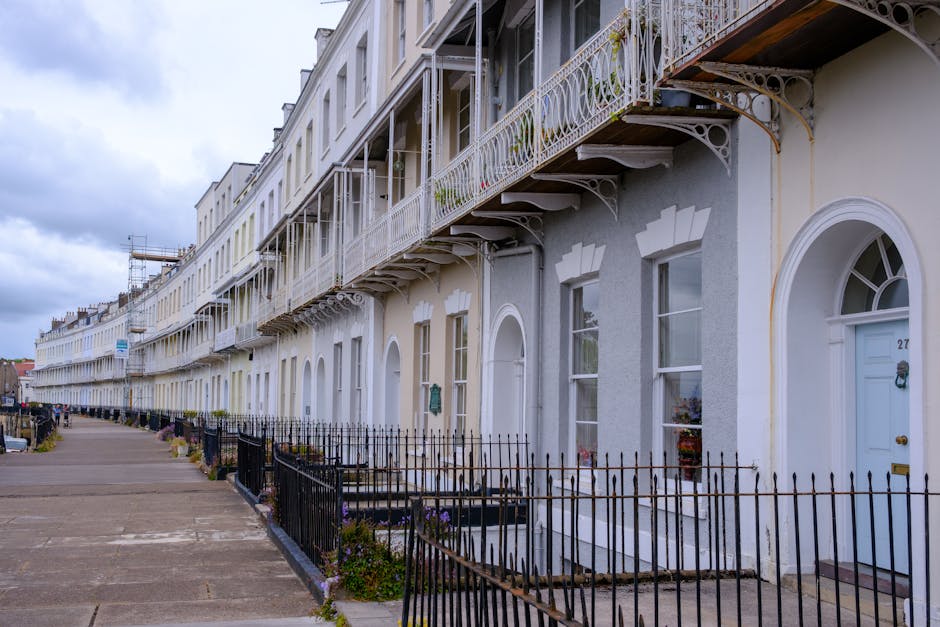
Travelers who’ve spent time in French or Italian hotels often arrive in Britain with mismatched expectations. The UK hospitality market follows its own logic — shaped by old buildings, planning law, and a few cultural habits that aren’t changing anytime soon.
The Heritage Building Reality
A significant share of the UK’s most interesting hotels operate inside listed buildings — properties that cannot be structurally altered without planning consent. This matters to guests in two concrete ways. First, rooms in converted Georgian townhouses, Victorian railway hotels, or former manor houses often have genuinely idiosyncratic layouts. Ceilings can be low on upper floors. Corridors are sometimes narrow. Bathrooms in older properties are frequently retrofitted, not purpose-built.
None of this is a flaw — it’s usually the reason the property is interesting. But travelers expecting the uniform geometry of a modern build should know what they’re getting. The Balmoral in Edinburgh is a Victorian railway hotel. The rooms are full of character, but some are compact by modern five-star standards.
Air Conditioning Is Not a Standard Feature
This catches visitors out every summer. The UK’s climate has historically not required mechanical cooling, so even fairly expensive hotels may rely on opening windows rather than air conditioning. In a warm July or August, a mid-range room without AC can be genuinely uncomfortable — and this is rarely flagged prominently in listings.
Properties like CitizenM and most modern-build hotels do offer full climate control. Older boutique properties frequently do not. If you’re booking summer stays, check this explicitly or email the property directly. It takes two minutes and can prevent a miserable night.
The Breakfast Calculation
A British full cooked breakfast — eggs, bacon, sausages, beans, toast, pot of tea — is a genuine cultural institution and often the best thing about a UK hotel stay. Many mid-range and boutique properties include it in the room rate. Most London budget hotels do not.
A proper cooked breakfast in a London cafe typically runs £10–£16 per person in 2026. At a hotel restaurant it’s usually £18–£28. If breakfast is included in a rate that looks £30 higher than a competitor, the math often favors the included option. Run the numbers before assuming the lower nightly rate is actually cheaper.
The Single Biggest Booking Mistake for UK Travel
Spending the entire accommodation budget in London, then scrambling for cheap options in every other city on the itinerary.
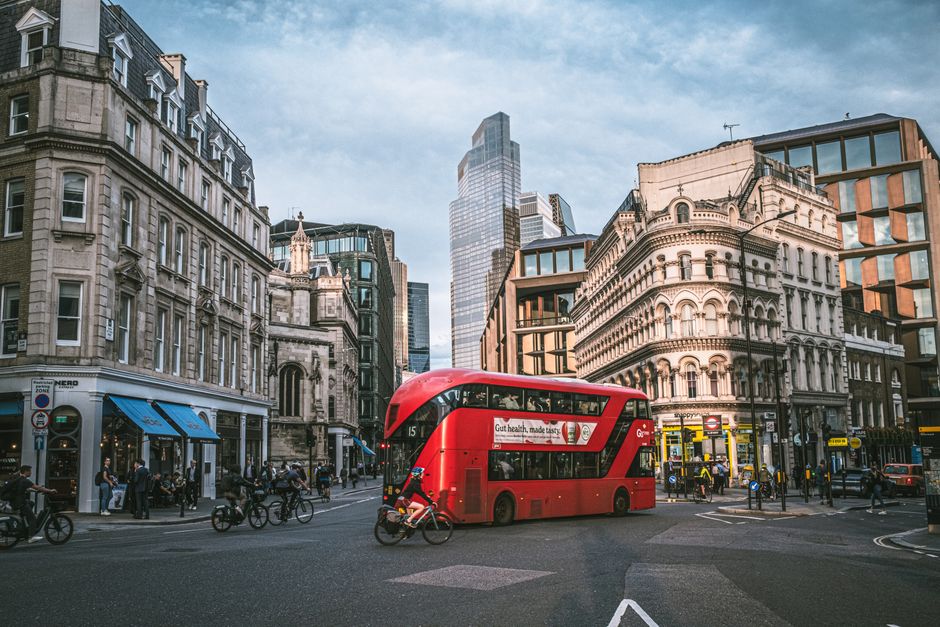
London is expensive — a decent mid-range room runs £150–£220 a night in central locations. That same money typically gets you something meaningfully better in Edinburgh, Bath, or the Cotswolds: more space, better food, a more distinctive experience. If the trip covers multiple cities, allocate budget proportionally to where you’ll spend meaningful time, not just to the city that appears first on the route.
Boutique vs Chain Hotels in the UK: A Clear Verdict
For most travelers doing a multi-city UK trip, the answer is: use chains for transit nights and boutique properties for the one or two nights where the hotel is actually part of the experience. That’s not hedging — it’s the practical math of traveling across a country where accommodation costs vary enormously by region and season.
When UK chain hotels are the right call
Premier Inn has built its reputation precisely because its quality floor is consistent. You get a comfortable Hypnos mattress, reliable blackout curtains, and no unpleasant surprises. For transit nights — arriving late, leaving early — this is the right product. Locations near major airports and train stations are particularly strong value for this use case.
CitizenM targets a different traveler: someone who wants high-design rooms and a social lobby but doesn’t need a restaurant, concierge, or traditional hotel services. The app-controlled room environment works well. The rooms are intentionally compact, so if you’re spending significant time in the room itself, it may feel tight.
When boutique properties justify the premium
The Pig hotel group — with properties in Hampshire, Dorset, Devon, Kent, and Somerset — represents what UK boutique hospitality does best when executed consistently. The model is straightforward: converted country house, kitchen garden supplying the restaurant, relaxed atmosphere, strong local sourcing. The Pig near Bath and The Pig at Bridge Place in Kent are both worth the £220–£380 per night if food and countryside are the actual point of the stay.
Dakota Hotels in Glasgow, Leeds, Edinburgh, and Manchester occupy a smart middle ground: chain consistency with genuinely individual design. The Glasgow property has become a benchmark for what £150–£200 a night should look like outside London. Dark interiors, good whisky selection, strong bar food.
Regional Picks: Specific Questions, Specific Answers
What’s the best mid-range hotel in Edinburgh?
For most travelers, The Dunstane Houses near Haymarket (£140–£220/night) is the pick. Two Victorian villas converted into a single property, with an excellent Scottish breakfast and a tram connection to the Old Town. The Hotel du Vin Edinburgh, near the Grassmarket, is the stronger choice for food-focused travelers — a French bistro atmosphere in a Victorian property with well-sized rooms at similar pricing.
Where should I stay in the Cotswolds?
Location matters more here than in a city because the Cotswolds is a string of villages, not a single destination. Where you base yourself determines what you can realistically walk to. Lords of the Manor in Upper Slaughter (£280–£450/night) is the classic choice: a 17th-century rectory with a Michelin-starred restaurant and genuinely beautiful grounds. For better-value basing, hotels around Chipping Campden and Broadway tend to offer more for the money than properties in heavily touristed Bourton-on-the-Water.
Is Bath’s Royal Crescent Hotel worth the price?
For a single special-occasion night, yes — you’re staying inside one of the most architecturally significant buildings in England, and the spa and garden restaurant have both improved in recent years. For a multi-night stay purely to access Bath’s attractions, it’s harder to justify at £300–£600 per night. The Gainsborough Bath Spa offers a comparable experience (including thermal pool access) for similar money, and smaller Georgian B&Bs on the outskirts deliver the atmosphere at a fraction of the cost.
Lake District: views or village?
The most photographed choice — a hotel with direct lake views — tends to command a price premium and limited walkability. The Langdale Hotel & Spa in the Langdale Valley gives you direct access to serious walking terrain without the tourist congestion around Windermere. For lakeside specifically, Gilpin Hotel & Lake House (£300–£550/night, dinner included at the lake house) is consistently well-reviewed and worth the splurge for a single night. One caution: not all rooms at lakeside hotels face the water. Book a lake-facing room specifically — the listing’s main photos are rarely from the cheapest rooms.
Six Things to Verify Before Confirming Any UK Hotel Booking
- Parking charges. Central London on-site parking typically costs £40–£60 per night on top of the room rate. Most city-centre UK hotels charge separately for parking and don’t display this prominently. If you’re arriving by car, confirm the cost explicitly before booking.
- Room size in real terms. UK listings sometimes describe a 14-square-meter room as “cozy” or “intimate.” Look for actual dimensions, or cross-reference guest photos on review platforms rather than professional photography, which routinely uses wide-angle lenses.
- Check-in flexibility. Standard UK hotel check-in is typically 3pm; check-out is 11am. Arriving on an early morning flight means the room may not be available for six hours or more. Some properties offer early check-in for a fee; others don’t offer it at all. Clarify before arriving exhausted at 7am expecting to sleep.
- Service charge on the final bill. A growing number of UK hotels automatically add a discretionary service charge — sometimes 12.5%, sometimes more — separate from any restaurant service charge. It’s technically removable on request, but easier to know about in advance than to dispute at checkout.
- Cancellation terms. The spread between flexible and non-refundable rates can be 20–30% of the room cost. Unless dates are completely fixed, non-refundable rates in the UK are typically not worth the saving given how often travel plans shift.
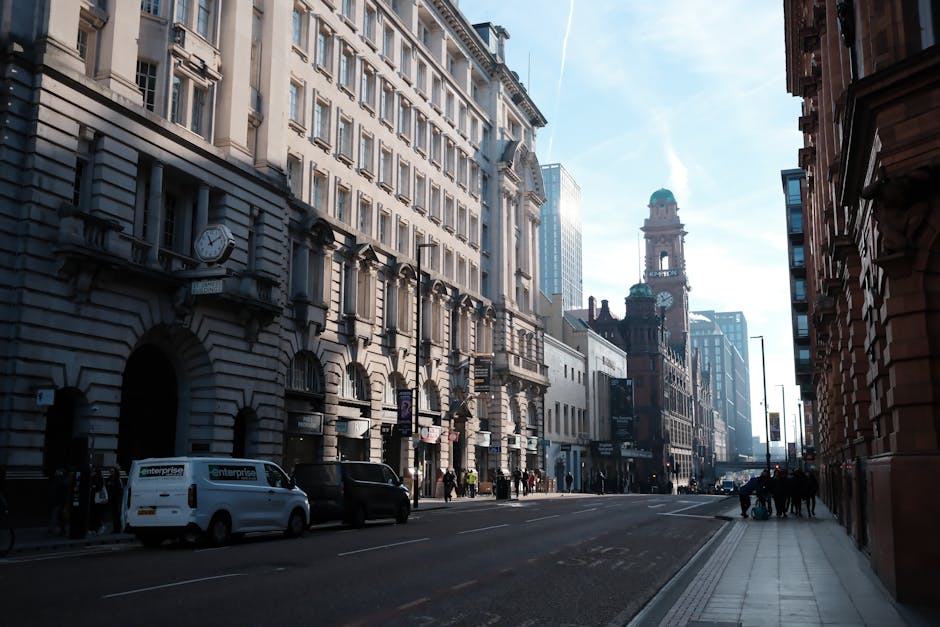
- What “central” actually means. “Central London” in a hotel listing can mean anything from Covent Garden to areas requiring a 40-minute Tube journey to reach the main sights. Use a map and check the nearest station, not the hotel’s self-description of its location.
That last point catches more travelers than any other. A hotel in Zone 2 or 3 isn’t a bad hotel — but the value calculation changes entirely once you factor in daily transport costs and time.
Back to the traveler planning London, Edinburgh, and the Cotswolds: the most defensible approach is to book a Premier Inn or CitizenM for the London nights — reliable, well-located, no surprises — spend the real accommodation budget on a Pig property for the Cotswolds stop where the hotel is the experience, and look at Dakota or Hotel du Vin for Edinburgh to get genuine personality at a reasonable price. That allocation — chains for transit, boutique for destination nights — tends to produce the most satisfying overall trip at any given budget.