Travel Accessories New York: Travel Accessories for NYC: What to Pack and What to Skip
Three million people visit New York City every month, and a surprising number of them spend their first afternoon limping back to their hotel to change shoes. Packing for NYC isn’t hard — but it is specific. The city will expose every bad gear decision within hours.
Why NYC Punishes Generic Packing Lists
Most packing lists could apply to any major city. New York isn’t most cities.
The Walking Math No One Warns You About
The average NYC visitor walks 6 to 10 miles per day. Not because they’re trying to — because that’s just how New York works. The Brooklyn Bridge is 1.3 miles one way. A morning at the Metropolitan Museum of Art means 3-plus miles on museum floors alone. Add the walk from every subway exit to your actual destination (rarely fewer than 4 blocks) and a single day covering Midtown, the High Line, and Chelsea Market easily hits 8 miles.
This changes what footwear means. It also changes what bag you bring. A cute tote that works fine for a day in Paris becomes agony by mile 4 in Manhattan.
Subway Turnstiles and Bag Logistics
The NYC subway carries 3.5 million riders daily, and the turnstiles were not designed with tourists in mind. Standard turnstile width: roughly 22 inches. A rolling carry-on won’t fit. An overstuffed 40L hiking pack catches on every edge. Locals use backpacks under 20L, crossbody bags, or soft totes — all compressed against the body as they swipe through.
If you’re using the subway daily (and you will be), your everyday bag needs to work with that infrastructure, not fight it.
Weather Variance Within a Single Day
New York’s weather doesn’t just change between seasons — it changes within days. A 72°F morning in October can drop to 52°F by 4pm when a front moves through. Spring trips regularly see 25°F temperature swings between 9am and 9pm. You need layers that compress small, a rain layer that doesn’t take up half your bag, and shoes that work in both sun and sudden downpour.
Generic packing lists don’t account for any of this. NYC-specific ones have to.
Shoes: Get This Right or Get It Wrong in Hour One
The single most important packing decision for a NYC trip is your footwear. Full stop. New sneakers look great in the hotel mirror and feel fine for the first 2 miles. By mile 6 they’re causing blisters. The rule is simple: whatever shoes you bring to New York must already be broken in before you leave home.
What Actually Works on NYC Streets
For most visitors, the On Cloudrunner 2 ($150) or Allbirds Tree Runners ($130) hit the sweet spot — cushioned enough for 8-mile days, slim enough to not look ridiculous at a nice restaurant. The Hoka Clifton 9 ($140) is the pick for anyone with existing knee or foot problems; the extra stack height makes a real difference on concrete past hour 5.
If you’re visiting in winter, the Blundstone 550 ($230) pulls double duty. It handles light snow and slush while looking presentable enough for dinner. Worth every dollar for a November through February trip.
What Not to Bring
Skip flip-flops unless you enjoy stepping on subway grates. Skip heels for anything except a specific evening out — pack foldable flats in your bag instead. Skip hiking boots unless you’re planning a day trip to the Catskills; they’re overkill on city pavement and they add real weight to your bag without any upside.
Bag Strategy for Getting Around Manhattan
Crossbody or Backpack — Which One?
Depends on the day. In dense Midtown or on crowded subway platforms, a crossbody worn in front is both safer and more practical. It stays accessible and doesn’t add bulk behind you. The Peak Design Everyday Sling 6L ($89) is a strong pick: it sits flat against the body, has a magnetic closure that opens one-handed, and holds a full-day kit without looking like hiking gear.
For full-day explorer days — wandering Brooklyn or Queens, covering multiple neighborhoods — a daypack like the Cotopaxi Batac 16L ($90) or Osprey Daylite Plus 20L ($75) makes more sense. More volume, less fatigue over 8 hours.
What Size Daypack Is Actually Right?
10 to 16 liters is the NYC sweet spot. Big enough for a water bottle, light layer, portable charger, snacks, small camera, and sunglasses. Small enough to fit under airplane seats and squeeze through subway turnstiles without becoming a public inconvenience. Anything over 25L on a crowded F train at rush hour is a burden for you and everyone around you.
Is a Money Belt Worth It in NYC?
NYC pickpocketing isn’t the epidemic tourist anxiety suggests, but crowded zones like Times Square and Penn Station do have petty theft. A full money belt is overkill. A Pacsafe RFIDsafe V50 passport holder ($25) worn inside your jacket takes 30 seconds to set up and removes the category of anxiety entirely. Don’t carry your passport in your back pocket. That’s just common sense anywhere in the world.
The Essential Accessories, Ranked by Actual Usefulness
Here’s what genuinely improves a NYC trip, ordered by impact:
- Portable charger — Non-negotiable. You will use Google Maps constantly on NYC streets, which drains battery fast. The Anker 325 Power Bank (10,000mAh, $22) fits in any bag pocket and charges an iPhone from dead to full twice over. If you’re shooting video or streaming heavily, step up to the Anker 737 (24,000mAh, $80).
- Reusable water bottle — NYC tap water is genuinely excellent, and free filtered water stations exist throughout the park system and many museums. A Hydro Flask 18oz ($35) is the right size: not too heavy, clips to bag straps, keeps cold water cold through a 90°F August afternoon.
- Compact rain layer — Not a full rain jacket. The Columbia Watertight II ($80) packs into its own chest pocket to roughly the size of a softball. NYC summer showers are fast and intense. Being caught without a rain layer means 20 minutes of being soaked before you can even find a café doorway.
- Apple AirTag or Tile Mate ($29–$35) — Slip one in your checked bag if you’re flying in. JFK and LGA have rougher reputations than most US hubs for baggage handling. Takes 30 seconds to set up, eliminates an entire category of travel stress.
- Foldable tote bag — New York charges for plastic bags. The Baggu Standard Bag ($14) folds to the size of a wallet and handles a full Trader Joe’s or Whole Foods run without complaint. Takes up essentially no space in your daypack.
- MetroCard replacement — NYC subway now accepts tap-to-pay via OMNY. Any contactless credit card or phone wallet works. One less physical card to manage, no loading hassle.
Buy Before You Land vs. After You Arrive
Some things are cheaper and better bought before your trip. Others you’ll overpay for if you pack them, because they’re sold on every corner in New York.
| Item | Buy Before Trip | Buy in NYC | Notes |
|---|---|---|---|
| Walking shoes | Yes | Possible | Must be broken in first — buying a day before departure defeats the purpose |
| Portable charger | Yes | Avoid | Airport and hotel shops charge 2x retail; order online beforehand |
| Compact rain jacket | Yes | Possible | Prices are similar; better to have it packed before you need it |
| Umbrella | Skip it | Yes | $5 corner store umbrellas are on every block — save the bag space |
| Sunscreen | Optional | Fine | Duane Reade pharmacies are literally everywhere; buy on arrival |
| Power adapter (international visitors) | Yes | Expensive | US uses Type A/B; adapters at JFK cost $25 and up |
| Foldable tote | Yes | Fine | Souvenir shops sell them but quality is hit-or-miss; order one you know works |
| Local guidebook | No | Yes | The Strand Bookstore sells excellent curated NYC guides and supports an iconic local institution |
The umbrella point deserves emphasis. Packing a travel umbrella is the single most common tourist mistake that adds weight and takes bag space for something freely available everywhere in the city. Skip it every time.
Packing for NYC’s Four-Season Problem
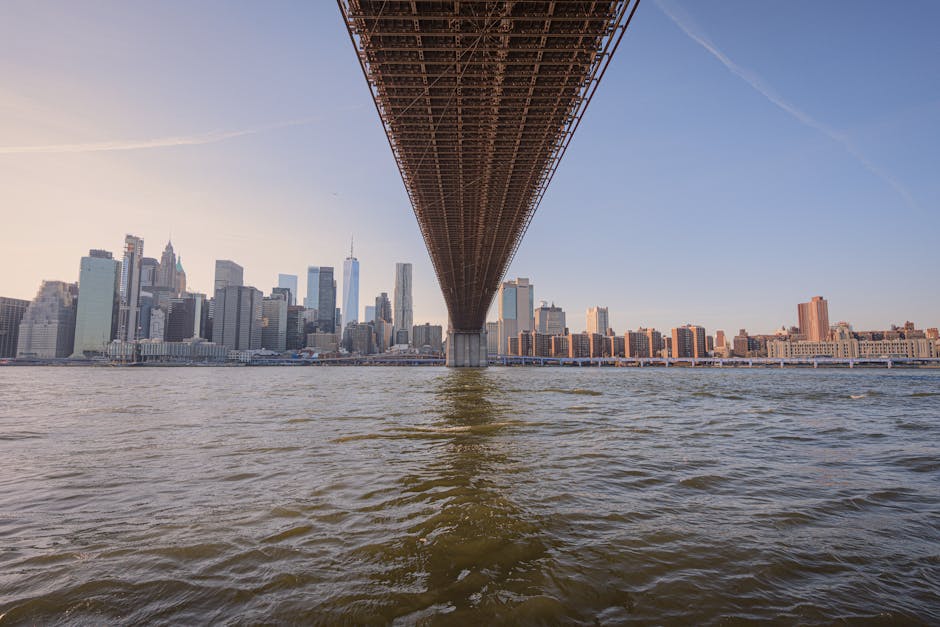
New York has real seasons and none of them are predictable for more than 48 hours.
Summer (June through August) runs 80–95°F with high humidity. The concern isn’t the sun — it’s sustained heat while walking. Moisture-wicking fabrics and a Mission Cooling Towel ($12, activates with water and drops surface temperature noticeably) make a real difference on 90°F days at the Bronx Zoo or Governors Island, where shade is scarce.
Fall and spring are NYC’s best seasons but also the trickiest to pack for. A 65°F October afternoon can become a 45°F evening fast. The layering system that works: lightweight merino base layer, a fleece mid-layer, the packable rain shell. All three together weigh under 2 lbs and fit in the daypack. That’s the whole system.
Winter requires real cold-weather gear. Temperatures regularly drop below 20°F with wind chill off the Hudson River from late November through February. A warm hat, gloves, and a scarf aren’t optional — they’re the difference between enjoyable and miserable.
The mistake most visitors make in winter: packing a single heavy coat instead of a layering system. A full-length wool coat is warm but useless inside a heated museum, a crowded bar, or a packed subway car where temperature swings 30°F in seconds. Layers you can strip off and stuff in your bag beat one bulky coat every time, every trip.
By the time you’re walking back to your hotel on the last night — tired in the best way, feet still holding up, bag light enough that you forgot it was there — that’s what the right gear feels like. Not invisible exactly, but not a problem you had to think about all day.