Travel Vaccines Nhs: Travel Vaccines on the NHS: What’s Free, What’s Not, and What You Actually Need
Most travellers assume the NHS covers every jab you might need for a trip abroad. That assumption is wrong. The NHS provides a core set of travel vaccines at no cost, but several common ones — including rabies, yellow fever, and Japanese encephalitis — require payment at a travel clinic or private pharmacy. The difference can run you £50 to £300 depending on your destination.
This article breaks down exactly which vaccines the NHS offers for free, which ones you pay for, and how to decide what you genuinely need. No general advice. Just the specific list, costs, and reasoning.
Which Travel Vaccines Does the NHS Provide for Free?
The NHS covers travel vaccines that protect against diseases considered a public health risk within the UK or that are part of the routine childhood immunisation schedule. If you need a booster for something you already had as a child, that’s free too.
Here is the full list of travel vaccines available on the NHS at no cost:
| Vaccine | Free on NHS? | Typical Course | Notes |
|---|---|---|---|
| Diphtheria, Tetanus, Polio (DTP booster) | Yes | 1 booster dose | Routine childhood jab; booster needed every 10 years if travelling to risk areas |
| Typhoid | Yes | 1 injection or 3 oral capsules | Recommended for South Asia, parts of Africa, and Latin America |
| Hepatitis A | Yes | 1 injection, booster at 6–12 months | Most common travel vaccine; covers most of Africa, Asia, and Central/South America |
| Hepatitis B | Yes (if at high risk) | 3 injections over 4 weeks | Free only for those at occupational risk or travelling to high-prevalence areas for extended stays |
| Cholera (oral) | Yes | 2 oral doses | Free for humanitarian workers or travellers to active outbreak zones |
| MMR (Measles, Mumps, Rubella) | Yes | 2 doses | Free if you missed childhood doses; outbreaks in Europe make this relevant again |
| Meningococcal ACWY | Yes | 1 injection | Free for Hajj/Umrah pilgrims and those travelling to the African meningitis belt |
Key takeaway: If you need typhoid, hepatitis A, or a tetanus booster, your GP surgery will provide them at no charge. Book a routine appointment, not a private travel consultation.
Which Travel Vaccines Do You Have to Pay For?
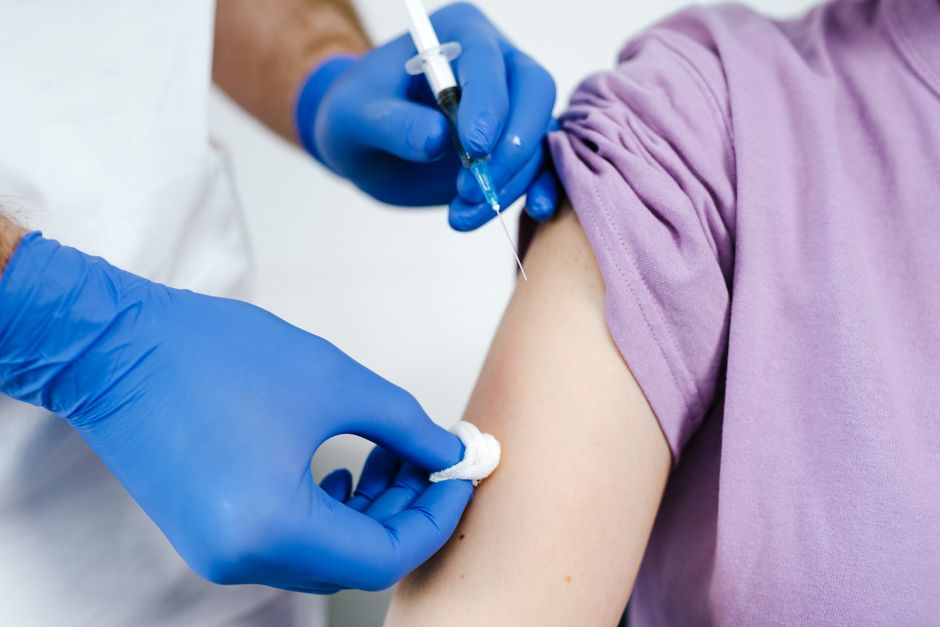
Here is where the confusion starts. The NHS does not fund vaccines for diseases that are rare in the UK and considered a lower priority for public health funding. You pay for these at a travel clinic or private pharmacy.
The paid list includes:
- Yellow fever — £60–£85 per dose. Required by law for entry to many countries in Africa and South America. Only registered yellow fever centres can administer it. You get an International Certificate of Vaccination (the yellow card).
- Rabies — £120–£200 for a full course (3 doses). Pre-exposure vaccination simplifies treatment if you are bitten but does not eliminate the need for post-exposure shots. Worth it for backpackers, vets, and long-term travellers to Asia or Africa.
- Japanese encephalitis — £200–£300 for 2 doses. Recommended for rural travel in parts of Asia, especially if you plan to stay a month or longer. Expensive, but the disease has a high mortality rate.
- Tick-borne encephalitis — £90–£150 for 3 doses. Relevant for hiking or camping in forested areas of Central and Eastern Europe, including parts of Germany, Austria, and Scandinavia.
- Hepatitis B (if not high-risk) — £50–£100 per dose. The NHS only covers this for specific risk groups. If your GP decides you do not qualify, you pay privately.
Real cost example: A traveller heading to rural Thailand for 6 weeks might need hepatitis A (free), typhoid (free), rabies (£150 private), and Japanese encephalitis (£250 private). Total out-of-pocket: £400. That is not unusual.
Check the Fit for Travel website or Travel Health Pro for destination-specific recommendations before you book anything.
How to Get NHS Travel Vaccines Without Paying for a Private Consultation
Many GP surgeries now charge for a travel health consultation even when the vaccine itself is free. This is legal and common. A consultation fee typically runs £20–£40. You can avoid this by knowing what you need before you walk in.
- Check your childhood vaccination record. If you are up to date on DTP and MMR, you only need the travel-specific jabs. Request a summary from your GP receptionist — they will usually provide it free.
- Use the NHS Travel Vaccines checker online. The NHS website lists recommended vaccines by country. Print the page and bring it to your appointment. This signals to the GP that you have done your research and reduces consultation time.
- Book a nurse appointment, not a doctor appointment. Practice nurses administer most travel vaccines. They charge the same consultation fee as a GP but are faster and more efficient for standard jabs.
- Ask about combining appointments. If you need typhoid and hepatitis A, the nurse can give both in one visit. Some surgeries charge a single consultation fee for multiple vaccines given at the same time.
- Go early. NHS travel vaccine appointments fill up quickly, especially before summer. Book 6–8 weeks before your departure to allow for vaccine courses that need multiple doses spaced apart.
One more thing: If your GP surgery does not offer travel vaccines at all (some smaller practices stopped during the pandemic), ask for a referral to a local NHS community clinic. This keeps the cost at zero for the free vaccines.
Common Mistakes Travellers Make with NHS Vaccines
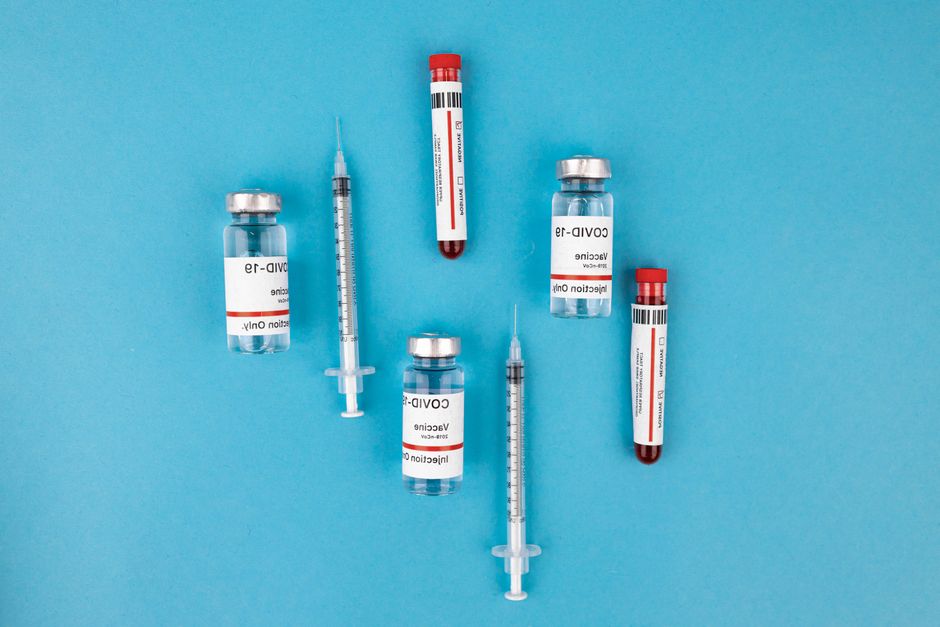
Mistake 1: Assuming “free on the NHS” means the GP will call you. It does not. You have to initiate the appointment. Many travellers show up two days before departure and find no slots available.
Mistake 2: Paying for a private travel consultation for vaccines the NHS covers. Private clinics charge £50–£100 for a consultation alone, then add the vaccine cost on top. If you only need hepatitis A and typhoid, a private clinic will cost you £80–£150 for something your GP would do for free (or a £20 consultation fee).
Mistake 3: Forgetting that yellow fever requires a registered centre. Your local GP cannot give this vaccine. You must find a registered yellow fever vaccination centre. The NHS website has a searchable list by postcode. Cost: £60–£85. Plan for it.
Mistake 4: Thinking one dose of hepatitis A is enough. It protects for about one year. The booster at 6–12 months extends protection to 25+ years. If you travel frequently, complete the course.
Mistake 5: Ignoring the rabies vaccine because “I will just get treatment if bitten.” Post-exposure rabies treatment works, but it is not always available in rural areas. In parts of India, Indonesia, and the Philippines, accessing the full course of immunoglobulin within hours is nearly impossible. Pre-exposure vaccination buys you time — you still need two post-exposure doses, but they are easier to obtain and cheaper.
Bottom line: The most expensive mistake is the one you make by not booking early. Vaccine shortages happen. Appointment slots vanish. Start the process two months before you fly, not two weeks.
When You Should Pay for a Private Travel Clinic Instead of the NHS
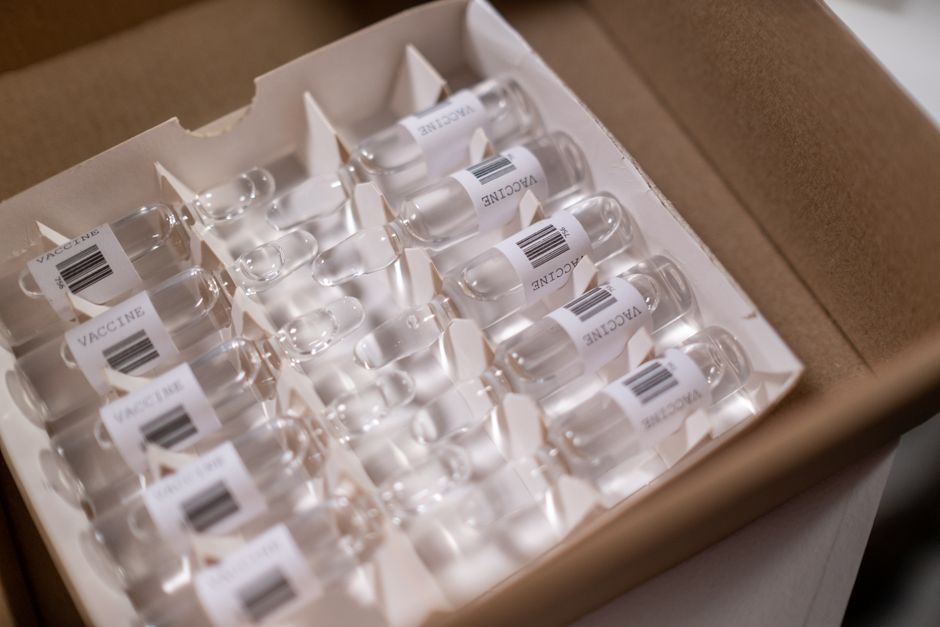
Private travel clinics are not a scam. They serve a specific purpose. Here is when paying makes sense.
You need multiple paid vaccines. If you require yellow fever, rabies, and Japanese encephalitis, a private clinic can administer all three in one visit. The NHS cannot do this — you would need separate appointments at a yellow fever centre, then your GP, then another clinic. A private travel clinic saves you three separate trips and several weeks of waiting.
You leave in under two weeks. NHS appointments for travel vaccines can take 3–4 weeks to book. Private clinics often have same-day or next-day slots. If your flight leaves Friday and you need jabs on Wednesday, private is your only option.
You want a comprehensive consultation. A private travel health nurse spends 20–30 minutes with you reviewing your full itinerary, medical history, and specific risks. An NHS appointment might be 10 minutes, and the nurse may not have detailed knowledge of every destination. For complex trips (multiple countries, remote areas, pre-existing conditions), the extra time at a private clinic is worth £50–£80.
You need a letter or certificate for work or school. Some universities and employers require a signed travel health certificate. Private clinics provide these as standard. NHS GPs may charge an admin fee or refuse to write one.
Comparison summary:
| Scenario | Best Option | Estimated Cost |
|---|---|---|
| Only need hepatitis A and typhoid, leaving in 6 weeks | NHS GP surgery | £0–£40 (consultation fee only) |
| Need yellow fever + hepatitis A, leaving in 4 weeks | NHS for hep A, yellow fever centre separately | £60–£85 (yellow fever) + £0–£20 (NHS consult) |
| Need rabies + Japanese encephalitis + typhoid, leaving in 10 days | Private travel clinic | £300–£500 (all vaccines + consultation) |
| Complex itinerary: rural India, Nepal trek, city stop in Dubai | Private travel clinic | £250–£450 (multiple vaccines + detailed consult) |
Final recommendation: For most travellers, the NHS handles 80% of travel vaccine needs at minimal cost. The paid vaccines are expensive, but they protect against diseases that can kill or permanently disable you. If your trip involves extended rural travel, high-risk activities (trekking, animal contact), or destinations with poor medical infrastructure, the private clinic fee is insurance you want to buy.