Visiting Vienna for the first time – Essential travel guide
Vienna is one of those cities that looks perfect on paper. Grand palaces. Coffee houses. Strauss waltzes. But first-time visitors often leave feeling like they missed something. The city is dense, the etiquette is real, and the tourist traps are well-disguised.
This guide cuts through the noise. You get the exact neighborhoods to stay in, the sights worth your time, the food that delivers, and the mistakes that waste your money. No fluff. No affiliate links. Just straight advice from someone who has walked these streets more times than they can count.
What you actually need to know before you go
Vienna is not a spontaneous city. Things run on schedules, reservations, and rules. If you show up without a plan, you will stand in lines, pay too much, and eat mediocre schnitzel.
Best time to visit
Late April through early June and September through October are your sweet spots. Crowds are thinner than summer, temperatures sit between 15°C and 25°C, and outdoor cafés are open. July and August are hot (30°C+), crowded, and many locals leave town. December is beautiful but expensive and packed with Christmas market tourists. January and February are cold (0-5°C) and gray, but hotel prices drop 40%.
Getting from the airport
Vienna International Airport (VIE) is 20 km southeast of the city center. Your best option is the City Airport Train (CAT) — 16 minutes to Wien Mitte station, €14.90 one-way. The S-Bahn line S7 does the same route in 25 minutes for €4.50. Taxis cost €40-50 and take 30-45 minutes depending on traffic. Uber works but is not cheaper than a taxi here.
Public transport basics
The Wiener Linien network covers everything. U-Bahn (subway), trams, and buses. Buy a 72-hour ticket (€17.10) from any station machine. Validate it once when you first use it. No validation = €105 fine if checked. Inspectors are everywhere and they do not care that you “didn’t know.”
One pro tip: download the WienMobil app. It shows real-time departures, route planning, and you can buy digital tickets. No paper, no validation stress.
Money and cards
Vienna is almost cashless. Every shop, café, and museum accepts cards. Visa and Mastercard are universal. Amex is hit-or-miss. Still carry €50 in cash for the occasional market stall or tiny bakery that only takes cash. ATMs are everywhere but avoid Euronet machines — they charge 5-7% fees. Use bank ATMs (Bank Austria, Erste Bank, Raiffeisen).
The three neighborhoods you should actually stay in
Picking the wrong base makes your trip harder than it needs to be. Here is where to book and why.
Innere Stadt (1st district) — for first-timers who want convenience
This is the historic core. Stephansdom, Hofburg Palace, the Opera House — all walkable. You pay a premium (€150-250/night for a decent hotel), but you save on transport and time. The downside: it can feel touristy and restaurants near major sights are overpriced. Avoid any restaurant on Graben or Kärntner Straße that has a waiter outside waving menus. That is a trap.
Neubau (7th district) — for food, design, and nightlife
This is where locals actually hang out. The 7th district has the best restaurants, independent shops, and bars in Vienna. The MuseumsQuartier is here — a massive cultural complex with art museums, courtyards, and cafés. Hotels cost €100-180/night. You are a 15-minute walk or 5-minute U-Bahn ride from the center. The vibe is younger, more creative, and less polished. Stay here if you want to eat well and avoid tourist crowds.
Leopoldstadt (2nd district) — for budget and space
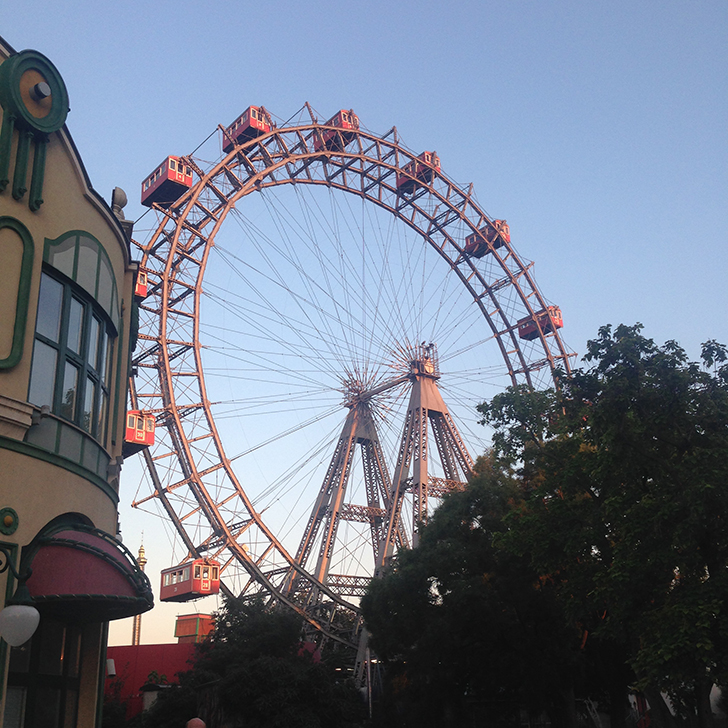
Across the Danube Canal from the center, Leopoldstadt gives you more room for less money. The Augarten park is beautiful, the Prater amusement park is here (with the Riesenrad Ferris wheel), and the area feels residential rather than touristy. Hotels run €80-130/night. You are a 10-15 minute walk or a short tram ride from Stephansdom. Good option if you want a quieter base without being in the suburbs.
What to see (and what to skip)
Vienna has a lot of “must-see” sights. Not all of them are worth your time. Here is the honest breakdown.
Schönbrunn Palace — yes, but only the Grand Tour
The palace is impressive. 1,441 rooms, sprawling gardens, the Gloriette on the hill. But the standard tour (40 rooms) feels rushed and repetitive. Pay for the Grand Tour (€22, 50 minutes, 40 rooms including the private apartments of Franz Joseph and Sisi). The audio guide is included and well-done. Book online at least 3 days in advance during peak season. The gardens are free and worth 2 hours of wandering. Skip the zoo — it is old, cramped, and not worth €26.
Stephansdom (St. Stephen’s Cathedral) — go for the tower, not the nave
The cathedral itself is free to enter. You will see it in 10 minutes. The real value is the South Tower staircase (343 steps, €5.50). The view over the city is spectacular and the climb keeps away crowds. The North Tower has an elevator (€7) but the view is less impressive. Skip the catacombs tour unless you are really into crypts — it is dark, damp, and the guide speaks too fast.
Kunsthistorisches Museum — the single best museum in Vienna
This is not optional. The Kunsthistorisches Museum houses the Habsburg art collection: Bruegel, Vermeer, Rembrandt, Caravaggio. The building itself is a masterpiece — marble halls, a grand staircase, a dome. Budget 3-4 hours minimum. Entry is €18. The audio guide (€5) is worth it. Go at 10 AM when it opens to avoid the worst crowds. The café inside is surprisingly good and not overpriced.
What to skip
- The Spanish Riding School — unless you are a horse person, watching Lippizaners trot in circles for €50+ is underwhelming. The morning exercise sessions (€15) are a better deal if you must go.
- The Mozart House — a small apartment with a few period instruments and a lot of filler. €12 for 20 minutes of content. Hard pass.
- The Hundertwasserhaus — a quirky apartment building designed by Friedensreich Hundertwasser. You can see it from the outside in 5 minutes. The inside is not open to the public. Do not make a special trip.
Eating and drinking like a local (not a tourist)
Vienna has a food scene that goes way beyond schnitzel and sausage. But you have to know where to look. The tourist-heavy streets around Stephansdom are full of restaurants that serve frozen food reheated in a microwave. Avoid them.
Where to get real Wiener Schnitzel
The classic is Figlmüller (Wollzeile 5). They have been making schnitzel since 1905. The schnitzel is huge (30 cm across), thin, perfectly fried, and costs €18.50. Get it with potato-cucumber salad, not fries. Reserve 2-3 days ahead. The line without a reservation is 45-60 minutes. If you cannot get in, Gasthaus Pöschl (Weihburggasse 17) serves an equally good schnitzel for €16.90 with less wait.
Coffee house culture — the real Vienna experience
Vienna’s coffee houses are UNESCO Intangible Cultural Heritage. This is not about the coffee (which is fine but not exceptional). It is about the experience. You sit. You order a Melange (€4-5, similar to a cappuccino). You stay for 2 hours reading a newspaper or writing postcards. The waiter will not rush you. Do not order a cappuccino after 11 AM — locals consider it a breakfast drink.
Three coffee houses that deliver:
Café Central (Herrengasse 14) — grand, historic, always busy. Go at 8 AM to beat the crowd. The pastries are excellent.
Café Sperl (Gumpendorfer Straße 11) — more local, less touristy. The wood-paneled interior feels like 1880. Try the Topfenstrudel (€5.50).
Café Hawelka (Dorotheergasse 6) — smoky, dark, legendary. The Buchteln (sweet yeast dumplings with vanilla sauce) are served warm at 10 PM. Cash only.
Street food that beats sit-down restaurants
Skip the fancy restaurants for lunch. Hit a Wiener Würstelstand (sausage stand). The best is Bitzinger at Albertinaplatz. Order a Käsekrainer (cheese-filled sausage) with a Semmel (bread roll) and sweet mustard. Costs €4.50. Eat it standing up. That is how locals do it.
For a quick dinner, Naschmarkt is Vienna’s biggest food market. 100+ stalls selling produce, cheese, olives, and prepared food. The best sit-down option is Neni am Naschmarkt — Middle Eastern-Israeli food with a rooftop terrace. A mezze plate for two with wine costs about €35. Reserve on weekends.
The Sachertorte debate (settled)
Everyone argues about where to get the best Sachertorte. Hotel Sacher (Philharmonikerstraße 4) invented it in 1832. Their version costs €8.50 per slice. It is dry, the apricot jam is sparse, and the service is stiff. Café Demel (Kohlmarkt 14) makes a better version — moister cake, more jam, better chocolate glaze, €7.90. Go to Demel. You will not regret it.
Budget breakdown: what things actually cost
Vienna is not cheap, but it is not London or Paris either. Here is what you should expect to spend per day.
| Category | Budget traveler | Mid-range | Luxury |
|---|---|---|---|
| Accommodation (night) | €50-80 (hostel dorm or budget hotel) | €100-180 (3-4 star hotel) | €250-500 (5-star, historic hotel) |
| Meals (3 meals + coffee) | €25-40 (street food, market, supermarket) | €50-80 (mid-range restaurants, one nice dinner) | €120-200 (fine dining, multiple courses) |
| Transport (daily) | €5.70 (24-hour ticket) | €5.70 (24-hour ticket) | €5.70 (same ticket — no upgrade needed) |
| Sights (1-2 major + free stuff) | €15-25 (one museum, free parks) | €30-50 (2 museums, palace tour) | €50-100 (private tours, VIP tickets) |
| Total daily | €95-150 | €185-315 | €425-805 |
One money-saving tip: the Vienna Card costs €17 for 24 hours and gives free public transport plus 10-20% off at museums. It pays for itself if you visit 2-3 paid sights. Do not buy the 72-hour version (€25) unless you are hitting 5+ museums — the discount is small and the transport ticket is already cheap.
Common mistakes first-time visitors make
These errors cost you time, money, or both. Avoid them.
Not reserving restaurants
Vienna is a reservation city. Walk-ins at good restaurants are possible but you will wait 30-60 minutes or get turned away. Reserve everything 2-3 days ahead through the restaurant’s website or a booking platform like Fork or OpenTable. This includes lunch at popular spots.
Buying the wrong museum pass
The Vienna Pass (€85 for 1 day, €129 for 2 days) sounds great — free entry to 70+ attractions. But it only works if you plan to visit 5-6 major sights in one day. Most people cannot do that without rushing. The Flexible Pass (choose 2-5 attractions for a flat fee) is usually a better deal. Or just pay per museum. The Kunsthistorisches Museum alone costs €18. You would need to visit 5 museums in 2 days to make the Vienna Pass worth it. Most first-timers visit 3.
Forgetting that Sunday is different
Sunday in Vienna means most shops are closed. Supermarkets, clothing stores, pharmacies — all shut. Restaurants and museums are open. Plan your grocery shopping for Saturday. If you need something on Sunday, the central train station (Wien Hauptbahnhof) has a supermarket open 6 AM to 11 PM every day.
Staying too close to Stephansdom
The area directly around the cathedral is a tourist trap. Restaurants charge 30% more for worse food. Souvenir shops sell the same cheap trinkets. Stay in the 1st district but choose a hotel 5-10 minutes walk from the cathedral. You get the same convenience without the noise and overpricing.
Thinking Vienna is just museums and palaces
Vienna has a strong modern side. The MuseumsQuartier is a cultural hub with contemporary art (MUMOK, Leopold Museum), a huge courtyard with loungers, and events every night in summer. The Donaukanal (Danube Canal) has pop-up bars, street art, and swimming spots. The Lobau is a floodplain forest with hiking trails 20 minutes from the center. Leave room in your itinerary for things that are not on a postcard.
Quick verdict: your 4-day itinerary
If you only have 4 days, here is the compressed plan.
- Day 1: Arrive, check in to Neubau or 1st district. Walk Stephansdom (climb the tower). Coffee at Café Central. Dinner at Figlmüller (reserve).
- Day 2: Morning at Schönbrunn Palace (Grand Tour, gardens). Lunch at Naschmarkt (Neni). Afternoon at Kunsthistorisches Museum. Evening walk through MuseumsQuartier.
- Day 3: Explore the 7th district. Visit the Leopold Museum or MUMOK. Lunch at a Würstelstand. Afternoon in the Prater (walk the park, skip the Riesenrad — €13.50 for a 15-minute ride is not worth it). Dinner at Gasthaus Pöschl.
- Day 4: Morning at the Belvedere Palace (Klimt’s “The Kiss” is here, €16). Coffee at Café Sperl. Last-minute shopping on Mariahilfer Straße. Depart.
That plan covers the essentials without burnout. You will walk 12-15 km per day. Wear comfortable shoes. The cobblestones in the 1st district are brutal on thin soles.