Train Tour Northern Europe: Northern Europe Train Tour: Routes, Passes, and What to Know
The Eurail pass is often sold as the smart move for a northern Europe rail trip. For some travelers, it is. For many others, it costs significantly more than booking point-to-point tickets — especially in Scandinavia, where advance fares can be brutally cheap. The first decision in planning a train tour through this region is figuring out which side of that equation you’re on. Get it wrong and you’ll overpay by €100 or more.
Northern Europe by train — covering Denmark, Sweden, Norway, and Finland — is genuinely one of the best rail experiences on the continent. The trains run on time. The scenery is dramatic. Several routes rank among the most beautiful rail journeys in the world. But the logistics aren’t as simple as buying a pass and showing up.
Pass vs. Point-to-Point: The Decision That Shapes Your Whole Budget
The Eurail Global Pass covers most trains in the Scandinavian countries, but it doesn’t eliminate all costs. On many high-speed and overnight services in Norway, Sweden, and Denmark, you’ll still pay a seat reservation fee on top of your pass — typically €4–€13 per journey on standard trains, and up to €35–€45 for night train sleeper berths.
Here’s how the math works for a typical northern Europe route, comparing a 10-day Eurail flexi pass (currently around €310 for adults in second class) against advance individual tickets booked 6–8 weeks out:
| Route | Eurail (reservation on top of pass) | Individual Advance Ticket | Verdict |
|---|---|---|---|
| Copenhagen → Stockholm | €31 reservation surcharge | €29–€55 (SJ/DSB) | Roughly equal |
| Stockholm → Oslo | €13 reservation surcharge | €25–€80 (SJ) | Pass wins if booking late |
| Oslo → Bergen | €10 reservation surcharge | €35–€95 (Vy) | Pass wins |
| Stockholm → Helsinki (ferry) | Not covered by any rail pass | €40–€120 (Tallink/Viking Line) | Book separately either way |
| Copenhagen → Hamburg | €4 reservation surcharge | €29–€79 (DB/DSB) | Pass wins for flexible travelers |
If you’re traveling mostly on main intercity routes with some flexibility in your dates, the pass makes sense. If you’ve locked in travel dates 6–8 weeks out and can grab advance fares on Omio or Rail Europe, individual tickets often come out cheaper — sometimes by a wide margin on the Stockholm–Oslo corridor.
Who Should Buy the Pass
Travelers who don’t know their exact dates, families with children (child discounts are substantial with Eurail), and anyone planning more than five or six intercity journeys in a 15-day window. At that density of travel, the pass starts earning its cost back.
Who Should Skip the Pass
Anyone with a fixed 2-week itinerary hitting five to seven cities. Book each leg separately through SJ (Swedish Railways), Vy (Norwegian Railways), and DSB (Danish Railways) directly. Their own advance fares are competitive, and you won’t pay reservation surcharges stacked on top of a pass cost you’ve already paid.
A 14-Day Northern Europe Train Itinerary That Actually Works
Most suggested itineraries try to squeeze too much in. Fourteen days is enough for a coherent loop through the four main countries — but only if you’re selective about cities and realistic about travel time. The route below is designed around train frequency, scenery quality, and how long each destination genuinely warrants.
- Days 1–2: Copenhagen. Arrive by air or overland from Hamburg via the DB/DSB partnership. Two days covers Nyhavn, Christiansborg Palace, and a day trip to Helsingør — 30 minutes on the DSB Øresund line, tickets around €7 each way.
- Days 3–4: Malmö and Stockholm. Cross the Øresund Bridge directly from Copenhagen Central to Malmö in 35 minutes, then push on to Stockholm (4.5 hours via SJ high-speed). Stockholm needs two full days minimum.
- Days 5–6: Stockholm to Oslo. The SJ overnight train is the practical option here — roughly 6 hours, departing late evening. You arrive in Oslo early morning and get a full day without wasting a hotel night on transit time.
- Days 7–8: Oslo. Vigeland Park, the Munch Museum, Aker Brygge waterfront. One solid sightseeing day plus one slower day is the right pace for most people.
- Day 9: Oslo → Myrdal → Flåm. Take the Bergen Railway to Myrdal, then the Flåmsbana down to Flåm fjord. Stay overnight in Flåm or continue to Bergen by evening ferry. This is the day the trip earns its reputation.
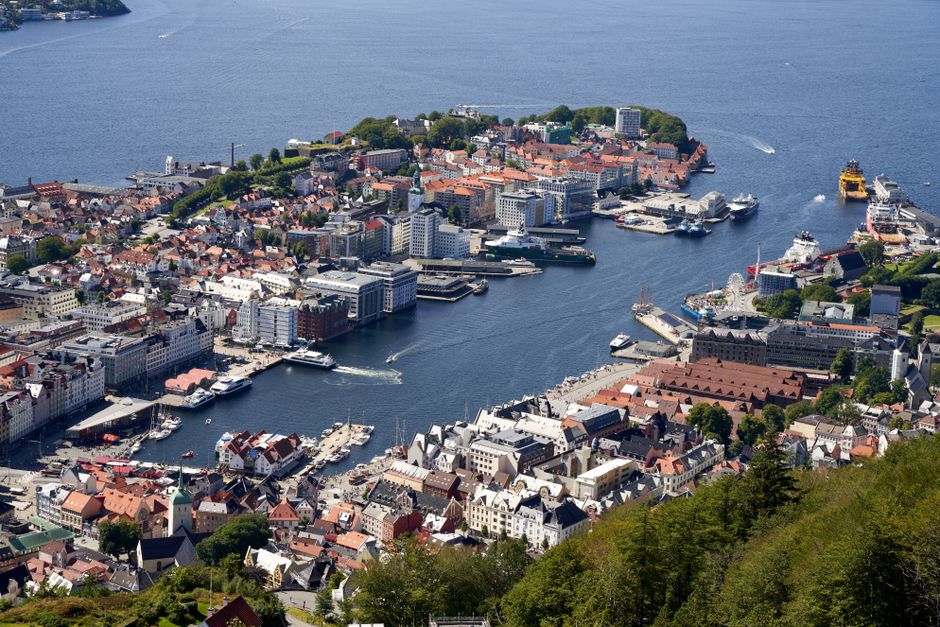
- Days 10–11: Bergen. Norway’s second city deserves two nights. The fish market, Bryggen Wharf, and the Ulriken cable car are the core program.
- Days 12–13: Bergen back to Stockholm or Copenhagen. The Snälltåget overnight operates seasonally on the Oslo–Stockholm corridor and is cheaper than SJ on the same route. Alternatively, fly Bergen to Copenhagen and continue south by rail.
- Day 14: Departure from Copenhagen or Hamburg. The Hamburg–Copenhagen direct rail tunnel is expected by 2029 — for now, the train-ferry hybrid via Puttgarden takes about 4.5 hours total.
This route skips Finland deliberately. Adding Helsinki extends the trip by at least 3–4 days and requires either a flight or the overnight Stockholm–Helsinki ferry on Tallink or Viking Line (from €80 for a cabin). VR, Finland’s state rail operator, runs clean and punctual trains — but Finland belongs on a separate itinerary unless you have three weeks.
Seat Reservations: The Detail That Catches First-Timers
On many Scandinavian trains, your Eurail pass gets you on board — but not into a seat. You must book a separate seat reservation, often through the national rail app or at the station, for an additional €4–€13. On overnight services, this climbs to €35–€45 for a private couchette. Miss this step and you may board a full train with nowhere to sit. This is not a hypothetical edge case — it’s a common, trip-disrupting mistake on the Oslo–Bergen and Stockholm–Gothenburg corridors every summer, particularly in July when trains run at capacity for weeks at a time.
Which Countries Actually Deliver on Train Travel
Sweden has the most comprehensive network. SJ’s X2000 high-speed trains connect Stockholm to Gothenburg in 3 hours and to Malmö in 4.5. Regional trains fill in the gaps reliably, and punctuality — roughly 85–88% on-time arrivals — is solid across main corridors. The main weakness is long-distance routes in the north, where trains can run 30–60 minutes late on the Stockholm–Sundsvall–Umeå section.
Norway: Fewer Routes, Dramatically Better Scenery
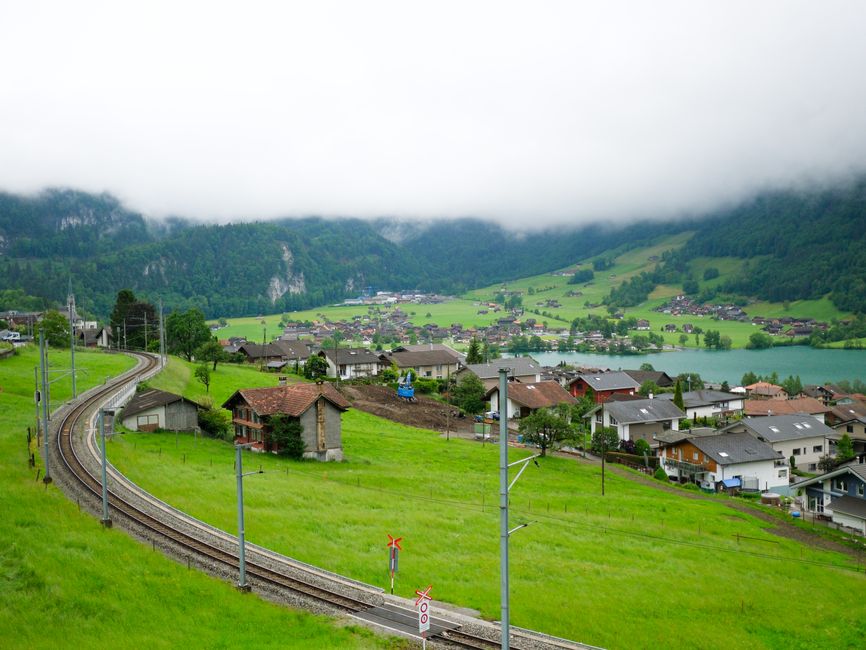
Vy operates a smaller network than SJ, but the routes it runs are spectacular. The Bergen Railway (Bergensbanen) is routinely named one of the most scenic rail journeys in Europe — 7.5 hours, climbing through the Hardangervidda plateau to 1,300 meters before descending into Bergen. Book through Vy’s own site for the best fares; advance tickets start at 299 NOK (around €26) but jump fast. Seats sell out weeks ahead in July and August — this is not an exaggeration.
Norway’s rail network doesn’t extend to the far north. Above Bodø, there are no trains. To reach Tromsø or the Lofoten Islands, you’ll need flights, long-distance buses, or the Hurtigruten coastal ferry. Factor this in if the Arctic Norway experience is part of your trip plan.
Denmark: The Transit Country Worth Slowing Down In
Denmark’s DSB network is built around efficiency rather than scenery. The Øresund trains between Copenhagen and Malmö run every 20 minutes and cross one of the more remarkable bridges in Europe. Beyond that, Denmark works best as a gateway city — Copenhagen Central connects to Hamburg, Stockholm, and Oslo with straightforward train options.
That said, Jutland has some underrated legs. The Copenhagen–Aarhus intercity takes 3 hours and runs hourly. Aarhus is worth a stop — the ARoS art museum and the Latin Quarter justify getting off the train. Most rail tours treat Denmark purely as a pass-through. That’s a reasonable call if time is tight, but a missed opportunity if you have the days.
Finland: Underrated, Undervisited, Worth the Detour
VR’s trains are clean, quiet, and reliably punctual. The Helsinki–Tampere–Turku triangle covers the practical core of the country. The Helsinki–Rovaniemi overnight — informally called the Santa Claus Express — is legitimately fun and costs around €80 for a second-class couchette. The main limitation: Finland sits at the end of the network. You can’t continue overland to Estonia or the Baltics without a ferry crossing from Tallinn, so factor in that logistics step if you’re planning a longer loop.
Booking Strategy: Common Questions with Direct Answers
How far in advance should I book?
For Sweden and Norway in summer (June–August), 6–8 weeks out is the sweet spot. The cheapest advance fares disappear quickly on Oslo–Bergen and Stockholm–Gothenburg. For Denmark and Germany-connecting routes, 3–4 weeks is usually sufficient. Outside peak summer, 2 weeks ahead is fine for most journeys — Norwegian trains in September and October are dramatically easier to book.
Which booking platform actually works?
Book SJ trains directly on sj.se for Swedish journeys — their app handles reservations and digital tickets without friction. For Norwegian routes, vy.no is the equivalent. Rail Europe and Omio both work well for multi-country bookings in one transaction, though they occasionally add a small service fee. If you hold a Eurail pass, you still need to reserve seats through the national carrier’s site or app — the Eurail app shows reservation requirements by route but doesn’t always process them directly, which is an ongoing frustration reported by users.
Are night trains worth it?
For the Stockholm–Oslo corridor, yes — clearly. You save a hotel night and wake up in a new city, and the couchette compartments are functional if not luxurious. For the shorter Oslo–Bergen leg, the daytime train is the better choice since the scenery is the entire point. Night trains make financial sense when the couchette costs less than a mid-range hotel room. In Scandinavia, that calculation usually works in the train’s favor.
Three Scenic Routes That Should Change Your Itinerary
The Bergen Railway and the Flåm Railway get the bulk of the attention in travel writing. They deserve it. But two other routes consistently get overlooked by first-time visitors planning a northern Europe train tour — and one of them is genuinely worth rerouting your whole itinerary for.
The Inlandsbanan — Sweden’s inland railway — runs 1,300 km from Mora to Gällivare through Swedish Lapland. Slow and deliberate by design. Trains run once daily in summer and stop on request at small stations. Reindeer crossings happen regularly. This is the route for travelers who want something completely removed from the main intercity corridors — not faster, not more efficient, just more real. The full journey costs around 900 SEK (€80) and takes several days if you stop along the way as the route intends.
The second overlooked route is the Oslo–Stavanger coastal line via Kristiansand. Four and a half hours of track running along the southern Norwegian coast, largely ignored because the Bergen Railway gets all the Vy marketing budget. The scenery in the final 90 minutes approaching Stavanger — fjord inlets, fishing villages, low coastal light — is genuinely striking. Stavanger itself is Norway’s oil capital and the gateway to the Preikestolen plateau hike, which justifies the detour if you have three or four extra days.
The misconception that opened this piece — that buying a Eurail pass and booking the obvious capital cities is enough to have a good northern Europe train tour — turns out to have a straightforward fix. Decide early whether individual tickets or a pass fits your booking window. Reserve seats before popular routes fill up in summer. And build at least one scenic detour into the itinerary, because the trains that aren’t in the brochure are often the ones that stay with you longest.